


Winter Heating Checklist: Simple, Safe Steps to Keep Your Home Warm and Efficient
Winter’s on the way — make sure your heating system is up to the job. This easy-to-follow checklist walks you through the practical steps to prepare your system for cold weather so your home stays comfortable and safe. Follow these tips to avoid surprises, lower energy use, and keep your system running smoothly all season. We cover why winter prep matters, a detailed furnace checklist, heat pump and thermostat care, detector and safety checks, sealing air leaks, and when to call for emergency help.
Why Getting Your Heating System Ready for Winter Matters
Preparing your heating system before cold weather arrives pays off in three ways. First, routine maintenance helps your system run more efficiently, which can lower energy bills. Second, it reduces safety risks like carbon monoxide leaks or sudden failures. Finally, keeping your system in good shape can extend its life and help you avoid costly repairs or replacements down the road.
At Magnolia Air and Electric, LLC, we recommend professional HVAC service as part of winter prep. Our technicians spot small issues early so your system stays safe and reliable when you need it most.
Research also highlights the importance of regular maintenance programs, especially in harsher cold climates.
HVAC Maintenance for Arctic Climates: Ensuring System Reliability
This paper reviews common heating and ventilation approaches used in arctic climates and emphasizes the value of a maintenance program so building operators can troubleshoot and keep systems running reliably.
HVAC Best Practices in Arctic Climates, 2021
How Winter Prep Improves Efficiency and Safety
Homes with well-maintained heating systems commonly save up to 15% on energy costs during the heating season — good for your comfort and your wallet.
Why a Professional Tune-Up Before Winter Is Worth It
A professional tune-up gives you a thorough check of the system by someone who knows what to look for. Technicians inspect the furnace, check for gas leaks, clean critical parts like the heat exchanger and burners, and make adjustments so everything runs safely and efficiently.
Most customers tell us the peace of mind alone makes the tune-up worth it. Catching small issues early prevents bigger, more expensive problems later.
Furnace Winterization Checklist: What to Do
Use this checklist to prepare your furnace for winter:
- Change the air filter: A fresh filter improves airflow and system efficiency.
- Check the thermostat: Make sure it’s working and set to the right temperature or schedule.
- Inspect ductwork: Look for leaks or blockages that reduce airflow.
- Clean around the furnace: Remove dust and debris from the unit and surrounding area.
- Test the ignition and safety systems: Confirm the ignition lights reliably and safety switches operate as intended.
Key Furnace Maintenance Tasks for Cold Weather
- Filter changes: Replace filters every 1–3 months during the heating season to keep airflow steady.
- Component inspections: Check the heat exchanger, burner, and blower motor for wear, cracks, or soot buildup.
- Regular cleaning: Dust and debris can cause overheating or reduced efficiency, so keep parts clean.
Inspecting and Cleaning the Heat Exchanger and Burner
Follow these safety-first steps when checking the heat exchanger and burner:
- Shut off power: Turn off power to the furnace before you begin any work.
- Remove access panels: Carefully open panels to expose the heat exchanger and burner.
- Look for cracks or corrosion: Any visible damage to the heat exchanger is a safety concern.
- Brush away soot and debris: Use a soft brush to clean burner parts gently.
- Reassemble and test: Put panels back, restore power, and run the system to confirm proper operation.
Heat Pump & Thermostat Winter Maintenance Tips
Keep your heat pump and thermostat working efficiently all winter with a few practical steps:
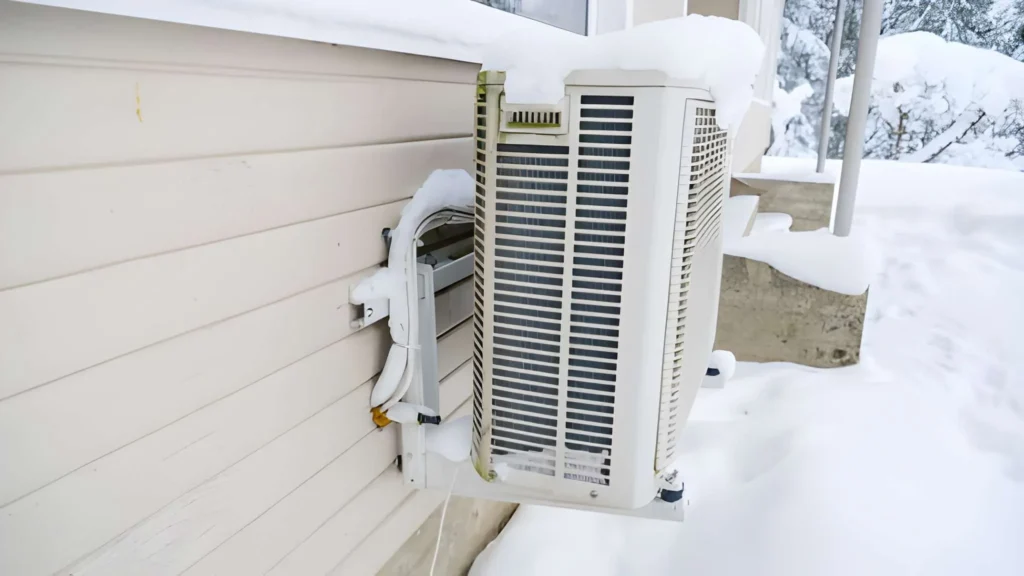
- Keep the outdoor unit clear: Remove snow, ice, and debris so air can flow freely.
- Verify thermostat settings: Check your temperature schedule and confirm the unit responds correctly.
- Consider a smart thermostat: A smart thermostat can optimize heating times and save energy.
Winterizing Your Heat Pump Outdoor Unit
- Clear debris: Remove leaves, snow, and ice from around the unit.
- Insulate exposed pipes: Protect refrigerant and condensate lines with appropriate insulation.
- Use a proper cover if recommended: Only cover the unit if the manufacturer advises it—some covers trap moisture and can cause damage.
Benefits of Thermostat Optimization and Smart Controls
Tweaking your thermostat schedule reduces wasted heating time. Smart thermostats let you set programmable routines, learn from your habits, and give energy-use feedback so you can make smarter adjustments that cut costs.
Detector Checks: Carbon Monoxide and Smoke Safety
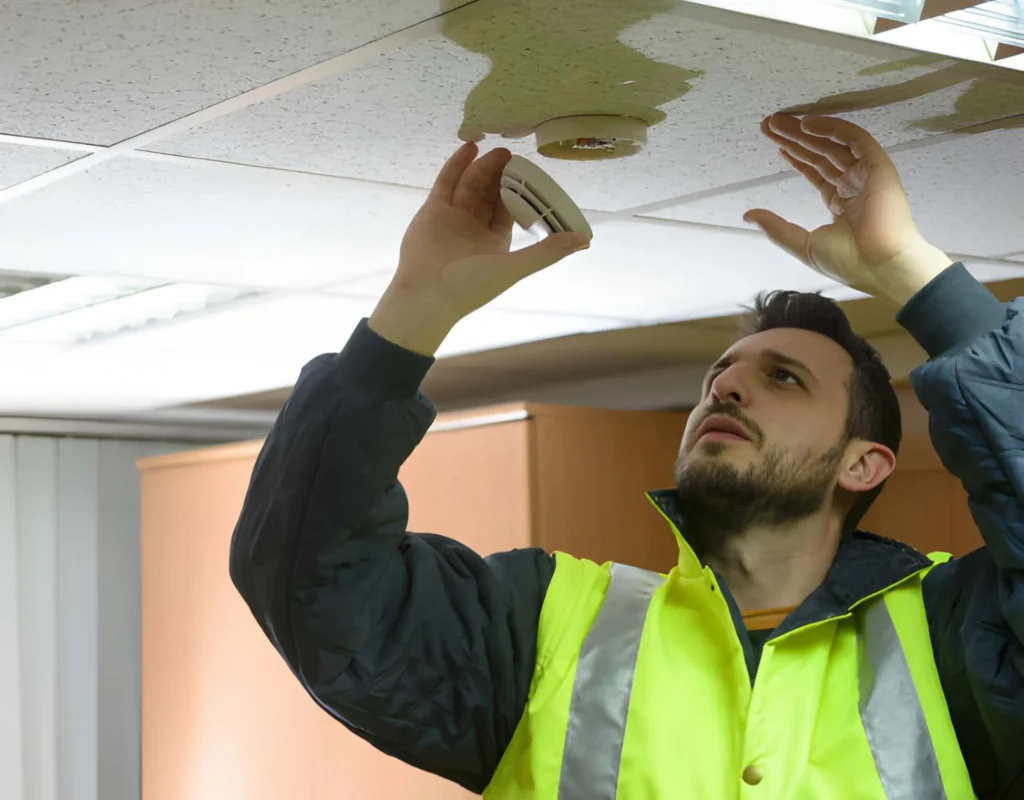
Carbon monoxide and smoke detectors are essential during winter when heating systems run more often. Regular checks keep your home safer. Heating services are crucial to ensure that your systems are functioning properly.
- Test detectors monthly: Press the test button to ensure the alarm sounds.
- Replace batteries yearly: Swap batteries at least once a year, or when the unit chirps.
- Install in key locations: Place detectors near bedrooms and on each level of your home.
Why Carbon Monoxide Detector Testing Is Critical in Winter
Carbon monoxide (CO) is colorless and odorless but can be deadly. Because heaters run more frequently in winter, testing CO detectors monthly is vital. Studies show homes with working CO detectors cut the risk of fatal poisoning by about 50%.
How to Test and Maintain Smoke Detectors
- Monthly testing: Press the test button on each unit to check the alarm.
- Battery replacement: Replace batteries yearly or sooner if the alarm indicates low power.
- Keep detectors clean: Gently vacuum around the outside of the detector to remove dust that can affect performance.
Sealing Air Leaks and Improving Insulation
Reducing drafts and improving insulation keeps heat where it belongs — inside your home. Here are effective steps:
How to Inspect and Seal Ducts and Vents
- Visual check: Look for gaps, loose joints, or crushed duct runs.
- Use a smoke pencil or incense: These tools help pinpoint where air is leaking.
- Seal leaks: Apply mastic sealant or metal foil tape to secure joints and holes for better heat distribution.
Field studies have shown that proper sealing techniques significantly reduce air infiltration in homes.
Residential Air Leakage Sealing Effectiveness Study
A field study evaluated air-sealing techniques in 82 single-family homes in Winnipeg and southern Manitoba. Homes were pressurized to find leakage sites using smoke pencils; windows and doors were weather-stripped and other openings caulked and sealed with recommended materials and methods.
An evaluation of the effectiveness of air leakage sealing., 1984
Common Draft Areas to Fix Before Winter
- Window frames: Seal gaps around frames with caulk or weatherstripping.
- Door frames: Install door sweeps or weatherstripping to close gaps.
- Electrical outlets: Use outlet gaskets on exterior walls to reduce drafts.
Winter Heating System Prep Checklist for Safety & Efficiency
If you notice any of these warning signs, it’s time to contact us right away:
- Unusual noises: Grinding, banging, or other odd sounds from your system can indicate trouble.
- Inconsistent heating: Rooms that stay cold while others heat properly point to system or duct issues.
- Foul or burning odors: Any smell of burning or gas requires immediate professional attention.
Signs Your Heating System Needs Emergency Repair
- Frequent cycling: If the system turns on and off rapidly, it may be malfunctioning.
- Rising energy bills: A sudden spike in bills can signal inefficiency or a failing component.
- Visible damage: Cracks, corrosion, or damaged ducts should be inspected right away.
How Our 24/7 Emergency Service Helps Dry Prong, LA Homeowners
Magnolia Air and Electric, LLC provides 24/7 emergency response for homeowners in Dry Prong, LA. Our technicians are ready to diagnose and fix heating issues quickly so your home stays safe and comfortable during cold spells. We prioritize fast, reliable service and clear communication every step of the way.
| Task | Why it matters | How often |
|---|---|---|
| Replace Air Filter | Improves airflow and system efficiency | Every 1-3 months during heating season |
| Inspect Thermostat | Ensures accurate temperature control | Before winter |
| Clean Furnace | Prevents overheating and keeps efficiency high | Annually |
| Test Detectors | Protects against carbon monoxide and smoke hazards | Monthly |
Preparing your heating system now reduces the chance of breakdowns and keeps your home warm and safe when temperatures drop. Follow this checklist and consider professional service from Magnolia Air and Electric, LLC to make sure your system is ready for winter.
Frequently Asked Questions
What should I do if my heating system isn't heating properly?
First, check your thermostat settings and the air filter — a clogged filter often reduces heat output. Listen for unusual noises and note any odd smells. If basic checks don’t help, call a professional HVAC technician to diagnose the issue — it may be a more serious problem.
How often should I schedule professional HVAC maintenance?
We recommend a professional tune-up at least once a year, ideally before the heating season. Annual maintenance keeps systems efficient and safe. In regions with extreme weather or heavy use, a twice-yearly check can be beneficial.
Can I perform heating system maintenance myself?
You can handle simple tasks like replacing filters, clearing nearby clutter, and checking thermostat settings. For anything involving the heat exchanger, gas lines, or electrical components, call a trained technician — those tasks require special tools and safety precautions.
What are the signs of a failing thermostat?
Watch for uneven temperatures, systems that won’t turn on or off as expected, or a thermostat that doesn’t respond to adjustments. Blank or erratic displays are also warning signs. If you see these, have the thermostat replaced.
How can I improve my home's insulation for winter?
Start by checking the attic, basement, and crawlspaces for gaps or thin insulation. Add insulation where needed and seal leaks around windows, doors, and ducts with caulk or weatherstripping. For a full assessment, consider a professional energy audit.
What should I do if I smell gas near my heating system?
If you smell gas, leave the building immediately and avoid using electrical devices or switches. Once safely outside, call your gas company or emergency services to report the leak. Do not return until professionals declare the area safe.
How can I ensure my heating system is energy efficient?
Keep up with regular maintenance, change filters, and consider a programmable or smart thermostat. Seal ducts and air leaks, and improve insulation. Upgrading to energy-efficient equipment or components also reduces long-term energy use.
Conclusion
Taking a few proactive steps now will keep your heating system running efficiently and safely all winter. Use this checklist, schedule professional maintenance when needed, and contact Magnolia Air and Electric, LLC for expert help. Don’t wait — winter prep today prevents headaches tomorrow.