


Essential Winter Electrical Safety Tips for Home and Family
Winter brings more than cold weather — it raises electrical risks too. Knowing the seasonal hazards is the best way to keep your family and property safe. This guide shows why winter is higher risk, how to use space heaters and holiday lights safely, and which simple actions reduce overloads, shocks, and fire danger. You’ll get clear, step‑by‑step advice for space heaters, decorations, extension cords, outdoor wiring, generators, and panel care — plus signs that mean it’s time to call a pro. We also link each practical tip to services like inspections, breaker replacement, and surge protection so you can set priorities and plan upgrades. Throughout, the focus is on practical winter readiness, storm and outage prep, and how preventive maintenance reduces emergencies during peak heating use.
Why Winter Raises Electrical Risk
Winter increases electrical risk because colder temps and seasonal habits put extra demand on systems and expose wiring to moisture. More heaters, holiday lights, and heavy‑draw appliances load circuits and can cause overheating or arcing. Storms, ice, and melting snow can damage outdoor wiring and create ground‑fault hazards when outdoor‑rated protection is missing. Knowing these winter triggers helps homeowners choose the right inspections and safe habits to lower the chance of fires and outages.
Which Winter Conditions Make Fires More Likely?
Cold, wet, and windy conditions make wiring and outdoor gear more vulnerable. Moisture can get into fixtures or damaged cord insulation and create ground faults or shorts when the circuit is energized. Ice, wind, and falling limbs can bend service lines or loosen connections, creating arcing points that produce heat or sparks. Watching local storm patterns and checking outdoor wiring after bad weather helps you find hidden problems before they become emergencies.
How Do Holiday Decorations and Heaters Change the Risk Picture?
Holiday lights and portable heaters add cumulative load and new failure points. Daisy‑chained light strings can draw more current than circuits were intended for, and space heaters use sustained high wattage that stresses outlets and wiring. Leaving lights or heaters unattended increases risk; simple habits — like unplugging decorations overnight and supervising heaters — make a real difference. These habits tie directly to the need for proper circuit distribution and timely professional inspection when necessary.
- Common winter electrical risk drivers: More heating and appliance use that raises total circuit demand.Wet or storm‑damaged outdoor wiring that can cause ground faults.Holiday lights and extension cord misuse that overload outlets.
Use this list to prioritize checks, redistribute loads, and adopt safer decorating habits. Small actions — checking outlet temperatures, avoiding daisy‑chaining — keep homes safer during peak winter months.
Using Space Heaters Safely This Winter
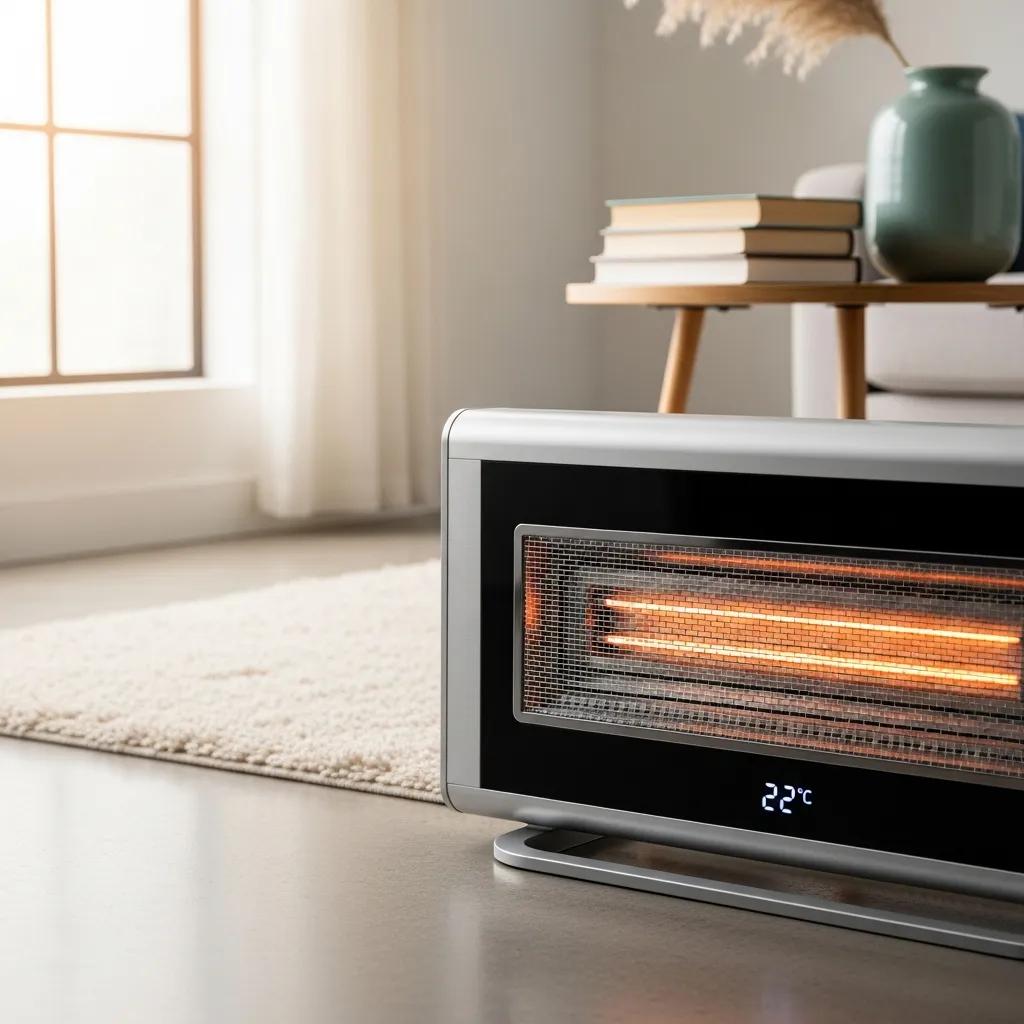
Space heaters are a handy way to warm a room, but they draw steady, high current and produce heat near household items. Safe use depends on correct placement, choosing models with safety features, and matching heater wattage to outlet and circuit capacity. Follow best practices to reduce fire and overload risk while staying comfortable in occupied rooms. The tips below will help you pick and place heaters for safe, efficient use.
Best Practices for Space Heater Placement and Use
Set portable heaters on stable, level floors and keep at least three feet clear of curtains, furniture, and anything flammable. Use models with tip‑over shutoffs and overheat protection, and buy units certified by a recognized lab. Inspect cords and plugs regularly for discoloration or brittleness. Never run heaters on carpets or next to water, and always turn them off before leaving a room or going to sleep. Proper placement and supervision reduce ignition risk and limit stress on your wiring.
Below is a quick comparison of common heater types, their placement needs, and recommended practical safety points to guide selection and use.
This table compares heater types and practical safety considerations for typical home use.
| Heater Type | Placement Consideration | Recommended Value |
|---|---|---|
| Ceramic space heaters | Place on a hard, level surface; keep 3 ft clearance | Typical wattage 750–1500 W; plug directly into wall |
| Infrared heaters | Directional heat — avoid placing near fabrics | Maintain 3 ft clearance; best for occupied spots |
| Oil-filled radiators | Stable with lower surface temps; avoid tipping | Rated for continuous use; good for sleeping areas with auto shutoff |
| Panel/wall heaters | Mount per manufacturer instructions; hardwired or dedicated outlet | Use a dedicated circuit when installed long‑term |
Why Plug Space Heaters Directly Into Wall Outlets?
Plug heaters directly into wall outlets because power strips and extension cords can overheat under continuous high load. Cord gauge and connector quality determine how hot a cord will get; many common cords are undersized for heater wattages and can warp or fail. Wall outlets and dedicated circuits handle continuous loads better and keep connections cooler. If you need multiple heaters, have a professional perform a load assessment and recommend additional circuits or upgrades to keep things safe and code‑compliant.
If you notice warm outlets or frequent trips, schedule a circuit inspection — a pro can verify capacity and wiring condition and recommend safer heating strategies.
Tips to Prevent Overloaded Circuits and Electrical Fires
Preventing overloads starts with knowing appliance wattage, spreading loads across circuits, and spotting overload symptoms early. Learn how much current your devices use and avoid running multiple high‑wattage items on one circuit. Regular checks for warm outlets, flickering lights, and repeated breaker trips reveal stress points that need attention. Fixes include redistributing appliances, replacing failing breakers, or scheduling rewiring or panel upgrades when necessary.
How to Spot Overloaded Circuits and Outlets
Look for lights that flicker or dim when other appliances run, outlets or faceplates that feel warm, and breakers that trip often under normal use. A burning smell, scorch marks, or discolored outlets are serious signs — shut down the circuit and call a professional immediately. Try unplugging suspected devices to see if symptoms stop; if they don’t, wiring or breaker issues may be the cause. Catching problems early prevents arcing and fires.
Here’s a quick appliance-to-wattage reference with safe‑use guidance to help avoid overloads.
| Appliance Type | Typical Wattage Range | Safe Usage Guidance |
|---|---|---|
| Portable space heater | 750–1500 W | Use one per dedicated circuit; plug into wall outlet |
| Electric oven/range | 2000–5000 W | Use a dedicated circuit; avoid running other heavy loads simultaneously |
| Microwave | 600–1200 W | Stagger use with other appliances; avoid shared circuits |
| Window AC or large heater | 1000–3000 W | Dedicated circuit recommended; inspect wiring for age |
When to Call a Professional for Breaker or Wiring Problems
Contact a licensed electrician if breakers keep tripping after you redistribute loads, if you see burn marks or smell something burning from outlets or the panel, or if breakers won’t reset reliably. These are signs of degraded insulation, loose connections, or aging breakers that no longer protect circuits properly — all immediate fire risks. A pro can run load calculations, check code compliance, and recommend repairs like breaker replacement, rewiring, or panel upgrades. Schedule inspections before winter’s peak demand to ensure safer, more reliable operation.
If you spot any of these red flags, shut off the affected circuit and arrange a professional evaluation. Magnolia Air and Electric offers inspections and replacement services and can provide a timely estimate so you know what corrective work is needed.
Installing and Using Holiday Lighting Safely
Safe holiday lighting starts with inspection, choosing the right products, and using outdoor‑rated equipment with GFCI protection for exterior installations. Preseason checks catch frayed wires, damaged sockets, and cracked insulation that could short out when energized. Use outdoor‑rated lights and GFCI‑protected outlets, avoid daisy‑chaining strings, and you’ll keep displays festive without overloading circuits during winter’s higher demand.
Inspection and Maintenance for Holiday Lights
Before you hang lights, inspect each string for frays, cracked sockets, or loose bulbs — throw away any string with exposed conductors. Replace burnt‑out bulbs promptly to avoid voltage imbalances that stress the rest of the string. Keep connections elevated and protected from standing water or melting snow, and unplug lights when unattended or during severe weather. After the season, coil cords loosely and store them dry to extend life and reduce failure risk.
- Holiday light inspection checklist: Check for frayed wires, cracked sockets, and exposed conductors. Replace burnt‑out bulbs and test each string before installing. Use outdoor‑rated clips; don’t nail or staple through cords.
Following this checklist reduces common failure modes and helps your decorations last through the season. Regular maintenance also lowers the chance of finding faults during bad weather.
Why Use Outdoor‑Rated Lights and GFCI Outlets?
Outdoor‑rated lights resist moisture and temperature swings that can harm insulation and sockets, preventing shorts and corrosion. GFCI outlets quickly cut power when they detect ground faults, stopping shock hazards if moisture contacts energized conductors. Test GFCIs monthly while lights are installed to confirm protection. For permanent exterior wiring or large displays, a professional can verify proper outdoor receptacles and GFCI protection are in place and working.
If you’re unsure whether exterior outlets are GFCI‑protected or ready for extended holiday use, a professional inspection can confirm protection and recommend upgrades like weatherproof covers or whole-house surge protection.
What a Winter Electrical Panel Inspection Covers and Why It Matters
A winter panel inspection checks breaker condition, connection security, corrosion, labeling accuracy, and whether the panel can handle expected winter loads. Inspections find loose lugs, overheated breakers, and moisture damage that compromise safety during heavy heating use. Preventive maintenance also reveals upgrade opportunities — replacing old breakers or adding surge protection — so your home stays reliable when demand is highest. Regular inspections before or early in winter reduce emergency repairs and support safe operation all season.
How Panel Maintenance Prevents Winter Electrical Hazards
Routine maintenance reduces hazards by tightening connections to lower arcing risk, spotting degraded breakers before they fail under load, and keeping circuit labels correct for quick isolation during emergencies. Simple fixes like tightening loose bus connections and replacing aged breakers cut down on nuisance trips and overheating when winter demand is high. Accurate labeling speeds response during outages and keeps homeowners from unsafe DIY troubleshooting. Periodic inspection aligns capacity with winter needs and lowers the chance of fire or unexpected power loss.
Below is a checklist‑style table summarizing common inspection items, what we check, and recommended actions with suggested frequency.
| Inspection Item | What Is Inspected | Recommended Action / Frequency |
|---|---|---|
| Breaker condition | Check for overheating, charring, or failure to reset | Replace faulty breakers; inspect annually before winter |
| Wiring connections | Look for loose lugs, corrosion, and correct torque | Tighten connections; perform corrective work as needed |
| Panel labeling | Verify circuit identification is accurate | Update labels during each service visit |
| Surge protection | Check for a whole‑house surge device and its condition | Recommend installation if absent; test annually |
When to Replace Circuit Breakers for Winter Safety
Replace breakers when they won’t reset reliably, trip under modest loads, show physical damage, or when the panel contains models with known safety issues. New breakers prevent nuisance trips and make sure overcurrent protection works during sustained winter loads. If you add high‑wattage electric heating or other large appliances, upgrading breakers or adding dedicated circuits is often the safest choice. Schedule replacements before peak demand to avoid emergency downtime and lower fire risk.
After an inspection, prioritize replacing breakers that fail repeatedly or show visible damage, then consider broader panel upgrades if capacity or safety concerns remain. Magnolia Air and Electric can perform winter panel inspections, suggest targeted replacements, and provide free estimates so you can plan repairs with confidence.
Preparing Outdoor Electrical Systems for Winter Storms
Outdoor electrical safety in winter means weatherproofing, careful cord management, generator safety, and surge planning. Use weatherproof covers on outlets, outdoor‑rated cords, and disconnect decorative lighting in extreme weather to limit water intrusion and mechanical damage. Prepare for outages with surge protection, safe generator setup, and professionally installed transfer switches to prevent dangerous backfeed. A clear storm plan reduces hazards during and after severe weather.
Best Practices for Outdoor Cords and Equipment in Winter
Use outdoor‑rated extension cords and inspect them for insulation damage or cold‑caused cracks; replace any brittle or deteriorated cords. Seal and cover outdoor outlet boxes and keep connections off the ground to reduce exposure to melting snow and puddles. Disconnect and store decorative lighting during storms and avoid running cords through doorways or under rugs where they can be pinched. Regular inspection and proper storage extend equipment life and cut the risk of shorts.
- Outdoor cord best practices: Use cords and lights rated specifically for outdoor/winter use. Inspect insulation for cold‑related cracks and replace damaged cords. Keep connections elevated and covered; avoid routing cords through doorways.
These steps reduce water ingress and mechanical damage — common causes of faults in winter — and help your equipment survive storm conditions.
Generator Safety to Prevent Carbon Monoxide Poisoning
Operate generators outdoors, well away from windows, doors, and vents to avoid deadly carbon monoxide (CO) buildup inside the home. Install and test battery‑backed CO detectors on each floor and keep batteries fresh, especially before using a generator. Use a professionally installed transfer switch to isolate the generator from the utility grid and prevent backfeed that can endanger line crews and your wiring. Clear instructions and a family plan for generator use ensure everyone knows safe operating steps during outages.
If you expect to use a generator for extended outages, have a pro install the transfer switch and advise on CO‑safe placement to meet code and reduce life‑threatening risks during winter storms.
Extension Cord and Home Wiring Safety in Winter
Extension cords are for temporary use only — long‑term winter use speeds wear and can make insulation brittle. Inspect cords for frays, kinks, or warm plugs and replace any that show damage. For permanent needs like added outlets for heaters or heavy loads, schedule professional installation so circuits are sized and protected correctly. Wiring inspections for older homes uncover hidden hazards and safe upgrades for more reliable winter operation.
How to Inspect and Maintain Extension Cords for Winter Use
Check cords for brittleness, cracks, or exposed conductors after temperature cycling; replace any damaged cord immediately. Don’t run cords under rugs, through doorways, or across high‑traffic areas where they can be pinched. Use only cords rated for outdoor use when exposed to moisture and make sure plugs seat fully in outlets to avoid arcing. Store cords loosely coiled and dry to extend life and prevent failures during cold months.
Routine inspection and careful use prevent most extension‑cord failures. When a permanent solution is needed, professional wiring eliminates reliance on temporary cords during winter.
Why Get a Professional Wiring Inspection Before Winter?
Professionals find hidden issues like degraded insulation, undersized wiring for current demands, and unsafe DIY work that could fail under winter loads. Electricians perform load calculations, verify grounding and bonding, and recommend upgrades such as extra circuits or relocated outlets to spread loads safely. Inspections also identify opportunities to add whole‑house surge protection or dedicated circuits for high‑wattage heaters. Fixing these issues before winter lowers outage risk and prevents dangerous failures during peak use.
If an inspection shows upgrades are needed, getting an estimate early lets you plan budget and timing, reducing the chance of emergency repairs in cold weather.
When to Contact Magnolia Air and Electric for Winter Electrical Help
Call a licensed professional if you see sparks, smell burning, experience repeated breaker trips, find warm outlets, or notice visible damage to wiring or the panel. Magnolia Air and Electric offers the services homeowners need — panel inspections, breaker replacement, whole‑house surge protection, and 24/7 emergency response for immediate hazards. A proactive inspection before winter’s peak helps you prioritize repairs and upgrades, and free estimates make planning easier without surprise costs.
24/7 Emergency Electrical Services in Dry Prong, LA
For urgent dangers like visible sparking, a burning odor, or systems threatening home safety, our 24/7 emergency electrical response provides fast assessment and mitigation. In an emergency, switch off the affected circuit if it’s safe, move to a secure location, and wait for help. Emergency services also handle power losses that create other risks — for example, disabled security systems or medical equipment — and can arrange safe restoration or temporary solutions. Knowing help is on call gives peace of mind during severe winter events.
If an emergency happens, put safety first — shut off power if you can do so safely, evacuate if there’s fire or heavy smoke, and call emergency electrical services right away for assessment and repairs.
How Free Estimates and Financing Make Winter Upgrades Easier
Free estimates remove uncertainty and help you decide on safety work before committing. Financing options make larger projects — panel replacement, added circuits, or whole‑house surge protection — more affordable so you don’t delay essential upgrades. A clear estimate and payment plan let you act proactively to reduce emergency risk and costly after‑the‑fact fixes. Magnolia Air and Electric provides estimates and can discuss financing so homeowners can prioritize safety without undue financial strain.
Request an estimate early in the season and review financing options to schedule upgrades on your timeline and improve winter resilience.
Frequently Asked Questions
What should I do if I notice warm outlets or frequent breaker trips?
Warm outlets or frequent trips can mean overloaded circuits or faulty wiring — don’t ignore them. First, unplug devices on the affected outlet to see if the symptom stops. If it continues, call a licensed electrician for a full inspection. They’ll check wiring and connections and recommend repairs or upgrades to keep your home safe and code‑compliant.
How can I prepare my home for winter storms regarding electrical safety?
Prepare by securing outdoor outlets with weatherproof covers and using outdoor‑rated cords. Disconnect decorative lighting during severe weather and consider whole‑house surge protection to shield against storm surges. Keep a generator on hand if needed, and have a transfer switch professionally installed to prevent backfeed. Regular system inspections also improve safety during winter storms.
What are the signs that my electrical panel needs an upgrade?
Signs include frequent breaker trips, visible damage or corrosion, and inability to handle new appliances or high‑wattage devices. Outdated fuses or breakers that won’t reset are also red flags. An upgrade improves safety and reliability, especially during high winter demand. A licensed electrician can tell you if your panel meets current needs and codes.
How often should I have my electrical system inspected?
We recommend an inspection at least once a year, especially before winter when usage increases. Regular checks catch hazards like old wiring, overloaded circuits, and failing breakers. If you live in an older home or recently added new appliances, consider more frequent inspections. If you notice flickering lights or warm outlets, schedule an inspection right away.
What should I do if my generator is not working properly?
Check fuel and routine maintenance items first, and look for visible damage such as frayed cords or leaks. If it still won’t run, consult the owner’s manual for basic troubleshooting. Don’t attempt repairs beyond your comfort level — call a licensed electrician to diagnose and fix generator problems safely. Regular maintenance prevents many common issues.
Are there specific electrical codes I should be aware of for winter safety?
Yes. The National Electrical Code (NEC) includes requirements for GFCI protection, proper circuit sizing, and outdoor‑rated equipment that apply to winter safety. Local codes may add requirements based on climate. Familiarizing yourself with these codes helps ensure safety and compliance. A licensed electrician can provide guidance specific to your location and needs.
What are the benefits of whole-house surge protection?
Whole‑house surge protection helps protect all your devices and appliances from voltage spikes caused by lightning or utility surges. That can prevent costly damage to sensitive electronics and extend the life of equipment by reducing wear on circuits. Installing a whole‑house surge protector gives extra peace of mind during stormy weather and heavy winter use.
Conclusion
Winter electrical safety should be a top priority — it protects your home and the people in it. By understanding seasonal risks and using safe practices for space heaters, holiday lights, and circuit management, you can greatly reduce emergency risk. Regular inspections and professional assessments add another layer of protection during peak usage. Contact Magnolia Air and Electric to schedule your winter electrical inspection and make sure your home is ready for the season.