


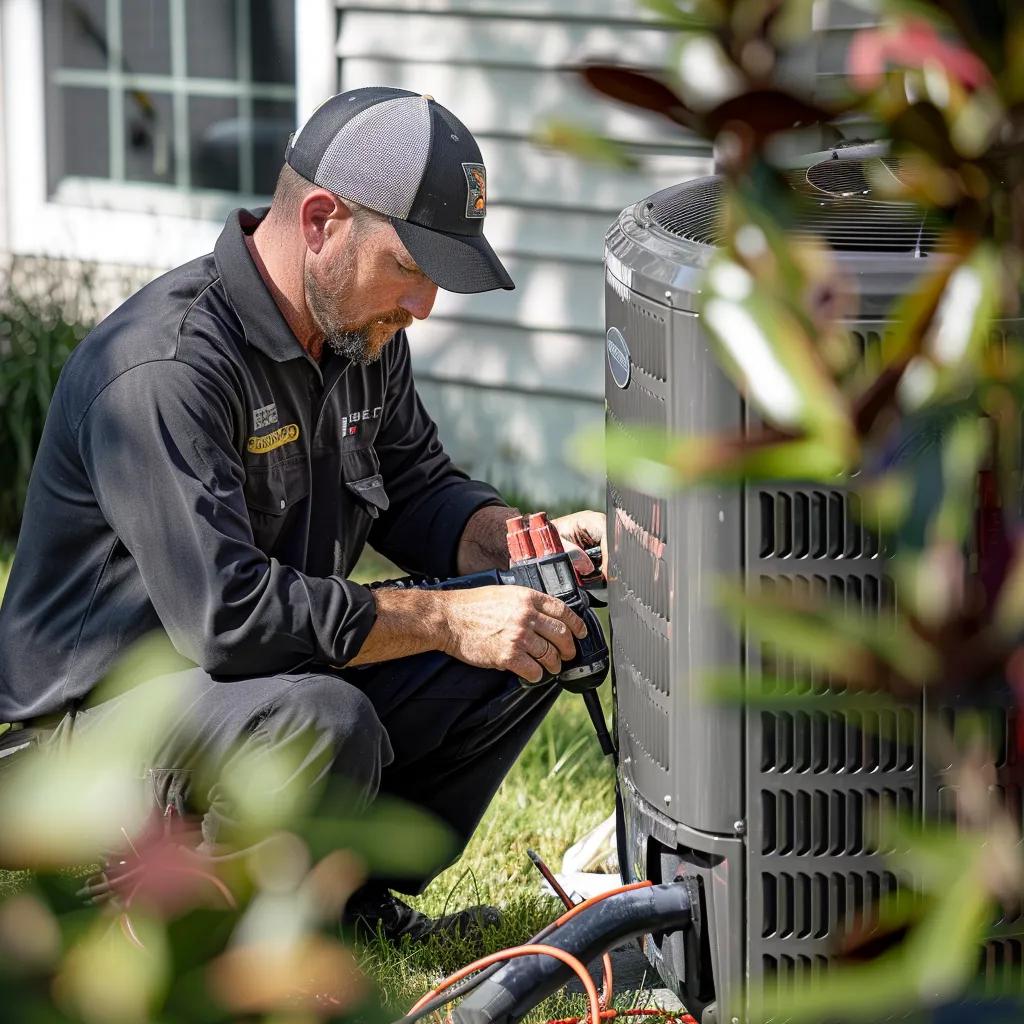
Seasonal HVAC and Electrical Tips — Your Essential Maintenance & Safety Guide
Seasonal maintenance is a simple, planned routine of HVAC and electrical checks that keeps your home comfortable, lowers energy costs, and helps avoid expensive breakdowns by matching service tasks to changing weather. This guide explains why seasonal HVAC and electrical care matters, how it protects equipment like air handlers, outdoor units, ductwork, electrical panels and breakers, and what practical steps homeowners in Dry Prong, LA can take each season. You’ll find a compact seasonal HVAC maintenance checklist, winter and summer energy-saving tips, key electrical safety checks, fall furnace prep, and winterizing steps to prevent frozen pipes and electrical overloads. The guide also explains when to call a licensed technician and where to find local emergency service. Keywords like seasonal tips, seasonal HVAC maintenance checklist, winterize HVAC and electrical, and whole-house surge protection are woven throughout so you can find clear, actionable advice for year-round comfort and safety.
Seasonal HVAC & Electrical Maintenance for Year-Round Home Safety
Seasonal HVAC maintenance is a repeating set of small DIY tasks and periodic professional checks that keep systems running efficiently, extend equipment life, and protect indoor air quality. The idea is straightforward: clean parts and set controls correctly so compressors, fans and heat exchangers don’t work harder than they need to. Doing key tasks each season prevents common problems — frozen coils in winter or clogged condensers in summer — and helps keep warranty requirements on track when professional tune-ups are needed. Below is a short checklist showing what homeowners can do and which items are best left to certified technicians.
This seasonal checklist highlights priority items and recommended timing for quick reference:
- Check and replace air filters on a regular schedule to preserve airflow and indoor air quality.
- Keep debris cleared from around outdoor units and inspect condensate drains for blockages.
- Test your thermostat and program setback schedules to save energy.
In short: these steps keep airflow steady, improve efficiency, and reduce the chance of emergency repairs while you plan deeper seasonal inspections and tune-ups.
How Often Should You Replace Air Filters and Why?
Air filters should be changed based on the filter type and your home’s conditions. Cleaner filters keep air moving and reduce the amount of dust and particles reaching HVAC components. Most pleated filters need replacement every 1–3 months; high‑MERV or electrostatic filters may last longer depending on the manufacturer and whether you have pets, smokers, or allergy sufferers at home. Dirty filters raise pressure drop, forcing blowers to work harder, which increases energy use and speeds wear — especially on heat pumps and furnaces during heavy use.
Regular filter changes also pair well with upgraded filtration or whole-house solutions to reduce allergens and particulate buildup.
What Are the Key HVAC Tune-Up Steps for Each Season?
A tune-up checks system health with season-specific tasks that combine inspection and preventive maintenance to keep equipment safe and efficient. In spring, focus on AC prep: clean condenser coils, inspect refrigerant lines, and verify thermostat calibration. Summer checks emphasize efficiency — make sure condenser fans run freely, airflow is clear, and refrigerant pressures are in range. In fall, tune-ups concentrate on furnace safety: burners, heat exchangers and filtration. Winter checks prioritize heat pumpdefrost cycles, reversing valve operation, and condensate management in cold weather. Technicians handle combustion analysis and refrigerant work; homeowners should do visual checks and report odd sounds or smells right away.
| Component | Recommended Action | Frequency |
|---|---|---|
| Air filter | Replace or clean to keep airflow steady | Monthly to quarterly |
| Outdoor unit (condenser) | Remove debris, trim plants, inspect fins/coils | Seasonal |
| Thermostat | Calibrate and set for energy-saving setbacks | At season change |
| Ductwork | Inspect for leaks and missing insulation | Annual |
This table lays out common tasks and timing so you can focus on DIY items and schedule professional tune-ups when needed.
For professional assistance after using this checklist, Magnolia Air and Electric, LLC offers seasonal tune-ups performed by N.A.T.E.-certified technicians and can schedule inspections to match seasonal changes. Contact information and booking options are available through local business listings or by phone.
How Can You Save Energy with HVAC Systems During Winter and Summer?
Saving energy with HVAC systems comes down to sensible thermostat settings, regular maintenance, and improving your home’s envelope to reduce heat transfer. The principle is simple: correct setpoints and clean, well-running equipment cut run time and peak demand, which lowers bills and reduces wear on compressors and furnaces. Practical steps include using programmed setbacks in winter, small setpoint increases in summer, routine filter and coil care, and sealing ducts to prevent losing conditioned air. These changes improve efficiency right away while making your system more reliable over time.
Top energy-saving tips for homeowners:
- Install a programmable or smart thermostat and use automatic setbacks.
- Seal duct leaks, add insulation where needed, and reduce drafts around doors and windows.
- Keep evaporator and condenser coils clean and replace filters regularly.
Bottom line: combine thermostat replacement, maintenance, and home improvements for steady energy savings and better system responsiveness.
What Are the Best Winter Energy Saving HVAC Tips?
Winter savings are about balancing comfort with reduced run time and protecting systems from cold-weather stress. Helpful actions include setting setbacks of 6–8°F during sleep or away periods, insulating exposed pipes, sealing gaps around windows and doors, and keeping steady airflow to avoid freezing in heat pump lines or pipes. Use zoned heating when possible and dress warmly indoors to lower demand. These simple steps protect plumbing and HVAC components from sudden load changes while saving energy safely. HVAC resources are available to assist.
How to Optimize AC Efficiency for Summer Cooling?
Optimizing AC efficiency starts with caring for the outdoor unit, maintaining good airflow, and ensuring the refrigerant charge is correct so the system moves heat effectively out of the house. Homeowner steps include shading the condenser, keeping the area clear of debris, changing filters, and using ceiling fans to allow a slightly higher thermostat setting without losing comfort.
Work that should be left to pros includes coil cleaning, refrigerant checks, and compressor evaluation — tasks that require tools and training. If you notice ongoing inefficiency or odd noises, schedule a professional inspection to avoid bigger failures and to protect equipment warranties, especially on brands like Daikin.
| Setting/Action | Recommended Summer Setting/Action | Expected Impact |
|---|---|---|
| Thermostat | Set to 78°F when home; use smart scheduling | Moderate energy savings |
| Fan Mode | Set to Auto for managed runtime | Lower fan energy use |
| Shade/Airflow | Provide shade for the condenser; keep a 2-ft clear perimeter | Better condenser efficiency |
| Maintenance | Clean coils; check refrigerant annually | Significant efficiency gains |
This quick comparison helps you choose settings and maintenance actions that target summer energy use with measurable effects.
For deeper savings, schedule a professional energy assessment. Technicians can recommend thermostat upgrades and indoor air quality improvements that pair well with Daikin systems to maximize comfort and efficiency.
What Are the Most Important Seasonal Electrical Safety Tips for Your Home?
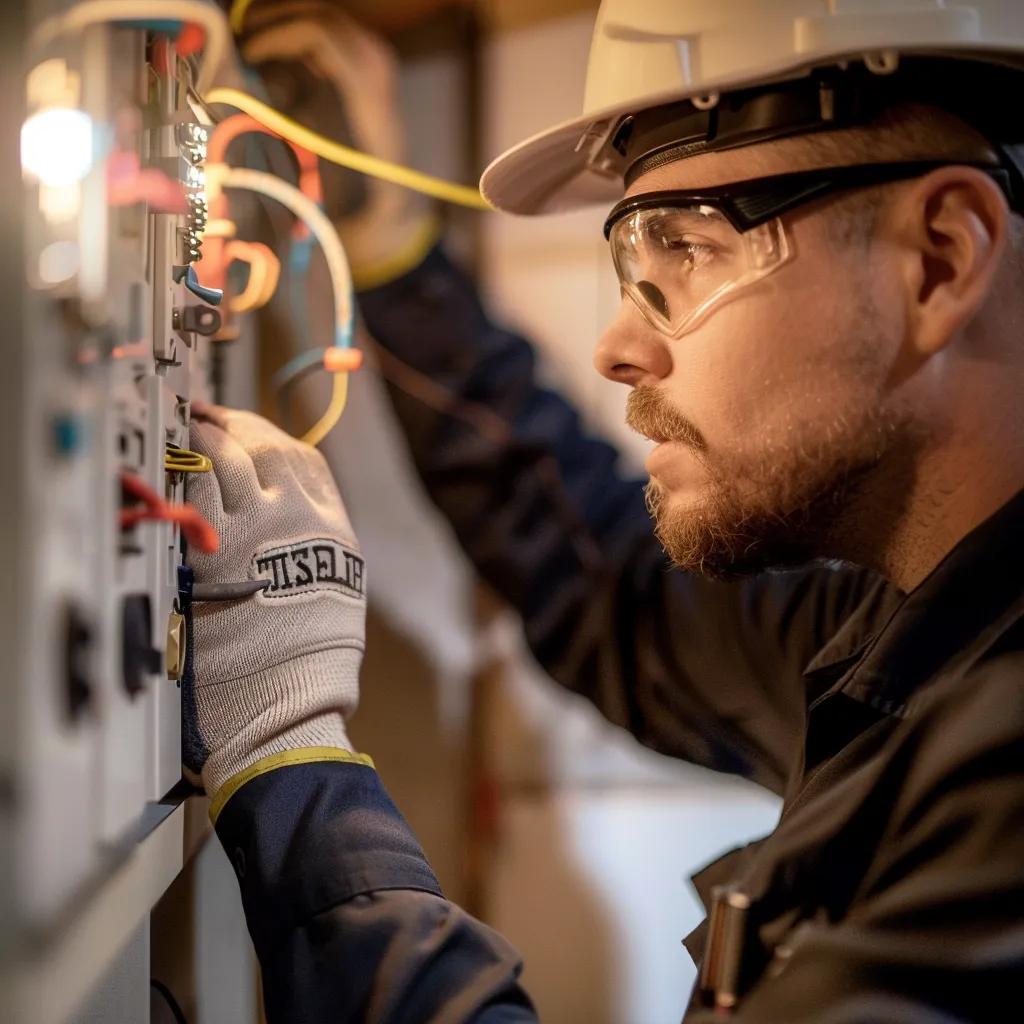
Seasonal electrical safety is about spotting signs of overload, corrosion, or weather damage to panels, breakers, outlets and outdoor wiring. Early detection — simple visual checks and basic tests — lowers the risk of fire and shock by revealing overheating, loose connections or water intrusion before they fail. Priorities include testing GFCI and AFCI devices, inspecting outdoor wiring for weather damage, and checking that heating circuits aren’t overloaded in winter. These seasonal checks protect both electrical systems and HVAC equipment and work well with whole-house surge protection.
Essential electrical safety checks homeowners can do:
- Test GFCI outlets and breakers monthly to make sure they trip and reset correctly.
- Inspect the electrical panel for discoloration, buzzing sounds, or hot surfaces.
- Check outdoor receptacles and lights for water intrusion and ensure covers are secure.
In short: routine visual inspections, simple tests, and timely professional checks reduce the chance of shocks, fires and service interruptions while keeping HVAC and plumbing systems safe. For more about professional AC services for your home, consider consulting with experts in the field.
How Do You Inspect and Maintain Electrical Panels and Circuit Breakers Seasonally?
Start a safe panel check with a visual inspection for burn marks, rust or loose wires while keeping the cover closed as required. Listen for humming or buzzing, which can mean loose connections, and note breakers that trip often or feel warm — signs of overload or failing parts. If you suspect a problem, reduce the load on that circuit and unplug nonessential devices until a licensed electrician can inspect. If you smell burning, see arcing, or breakers trip repeatedly, treat it as urgent and call a pro to avoid fire risk.
Why Is Whole-House Surge Protection Essential Year-Round?
Whole-house surge protection shields major appliances, HVAC components and electronics from voltage spikes by diverting excess energy at the service panel. Unlike power strips, whole-house units protect built-in systems — furnaces, air handlers and refrigerators — from utility switching events, lightning-related surges and other transient spikes. Adding this protection lowers the risk of costly electronic and motor failures and complements dedicated circuits and proper grounding. For homeowners, whole-house surge protection is a centralized defense that offers real peace of mind through every season.
| Electrical Component | Common Problem | When to Call a Pro |
|---|---|---|
| Panel / Breakers | Frequent tripping, burning smell | Immediate inspection and repair |
| Outlets | Warm or discolored receptacles | Prompt replacement and wiring check |
| GFCI/AFCI | Failure to reset or test | Professional diagnosis and replacement |
| Outdoor wiring | Water intrusion or rodent damage | Timely repair to prevent hazard |
After doing homeowner checks, consider a licensed electrical inspection and whole-house surge protector installation by trained technicians; professionals can also provide 24/7 emergency response if hazards are found.
What Does the Fall Furnace Maintenance Guide Include for Safe Heating?
Fall furnace maintenance prepares combustion and electric heating systems for heavy use by focusing on filters, burners, heat exchangers, ignition systems and related electrical safety items. That matters because unchecked combustion issues or cracked heat exchangers can cause carbon monoxide leaks and poor heating performance, while electrical faults become riskier with heavier cycling. Typical fall tasks include replacing filters, testing safety controls, lubricating moving parts, checking thermostat operation, and inspecting venting and flues. These steps improve heat delivery, increase safety, and get systems ready for colder weather.
Key fall preparation steps homeowners should take:
- Replace filters and clear return vents to keep airflow steady.
- Test smoke and carbon monoxide detectors and change batteries if needed.
- Remove debris from around outdoor heat pump units and inspect condensate lines.
These actions lower the chance of emergency repairs and clarify which items require a technician for safe, certified service.
How to Prepare Your Furnace and Heat Pump for Fall?
Preparing furnaces and heat pumps for fall combines homeowner tasks with a professional inspection to ensure safe operation for the heating season. Homeowners should replace filters, vacuum accessible registers, and check thermostat schedules before heavy use to maintain steady airflow and control. Technicians handle combustion analysis, heat exchanger checks, ignition and safety switch testing, and refrigerant pressure inspection on heat pumps — work that needs licensed training and tools. Scheduling those checks before the first sustained cold snap reduces midwinter failures and helps preserve warranties.
What Electrical Safety Checks Should You Perform in Fall?
Fall electrical checks focus on heating circuits and detectors since heating systems raise electrical load. Test smoke and carbon monoxide alarms monthly, inspect cords and portable heater use to avoid extension-cord misuse, and confirm outlets that serve furnaces and boilers are secure and not overloaded. Look at visible thermostat wiring for signs of wear that could cause intermittent problems. If circuits are overloaded, breakers trip frequently, or you detect unusual odors, book a professional electrical inspection to prevent hazards during the heating season.
How Do You Winterize Your Home’s HVAC and Electrical Systems to Prevent Damage?
Winterization uses insulation, fluid management and load balancing to prevent frozen pipes, HVAC strain and electrical overloads in cold weather. The approach is to keep baseline heat, limit exposure and balance circuits. Key winterization steps include insulating exposed pipes, keeping a safe minimum indoor temperature during extreme cold, confirming generator readiness where applicable, and reducing unnecessary loads on critical circuits. These measures lower freeze risk, keep heating capacity available, and avoid tripped breakers that could leave systems without heat. Winterization also includes professional inspections to confirm safe operation and emergency readiness.
Essential winterization actions to prevent damage:
- Insulate exposed plumbing or apply heat tape where appropriate, and keep cabinet doors open near pipes.
- Maintain a minimum indoor temperature and allow faucets to drip during extreme cold.
- Balance electrical loads and avoid running several high-draw devices on the same circuit at once.
In short: these practical steps reduce freeze-related failures and electrical overloads while keeping systems reliable through storms and cold snaps.
What Are the Best Practices to Prevent Frozen Pipes and Electrical Overloads?
Preventing frozen pipes and overloads means insulating vulnerable plumbing, keeping warm air circulating, and spreading high-power devices across separate circuits. Use foam pipe insulation, apply heat tape where recommended, and keep indoor temps slightly above freezing while moving warm air near exterior walls. On the electrical side, stagger use of high-draw devices, don’t rely on extension cords for space heaters, and make sure critical HVAC and pump circuits are on dedicated breakers. If pipes freeze or breakers trip often, limit use and call a licensed pro quickly to avoid burst pipes or electrical fire risk.
When Should You Schedule Professional Winter HVAC and Electrical Services?
Schedule winter-focused professional services well before the first sustained freeze — typically in early fall — so technicians can perform pre-winter inspections and preventive maintenance that reduce emergency failures. Pros will check heat pumpdefrost cycles and refrigerant, run combustion and safety tests on furnaces, inspect water heaters and plumbing for freeze risk, and evaluate electrical panels and surge protection for storms. Early booking ensures availability, helps protect warranties, and gives you confidence that systems are ready for winter. It also streamlines generator checks and whole-house surge protector installations when those are part of your prep plan.
When Should You Call a Professional for Seasonal HVAC and Electrical Maintenance?
Call a professional when visible signs or clear thresholds point to safety risk or when the job requires sealed-system diagnostics or panel work. Think of it as triage: emergencies like smoke, gas odor, severe leaks or repeated breaker trips need immediate attention. Non-urgent but concerning signs — reduced efficiency, odd noises or intermittent cycling — should be scheduled within days to weeks. Knowing when to escalate protects safety, prevents secondary damage, and often preserves warranties. The short list below helps prioritize service calls and next steps.
Recognize these signs and recommended responses:
- Emergency (call immediately): smoke, burning smells, gas odor, or loss of heat in sub-freezing conditions.
- Priority (schedule within 48–72 hours): frequent breaker trips, refrigerant leaks, or water leaking from equipment.
- Maintenance (schedule soon): falling efficiency, rising utility bills, or a compressor running roughly.
Use this decision guide to stabilize systems and get the right help quickly.
What Are the Signs You Need Expert HVAC Tune-Up or Repair?
Certain symptoms reliably mean you need expert HVAC service because they point to mechanical, refrigerant or safety problems that DIY fixes can’t solve. Urgent signs include persistent grinding or loud banging noises, visible refrigerant leaks or ice on coils, sudden loss of heating or cooling, or any gas/burning smell. Less urgent but still important signs are steadily rising energy bills, frequent short cycling, or uneven temperatures from room to room. If you see these, shut down the affected system if safety is a concern and arrange professional service to find and fix the root cause.
How Does Magnolia Air and Electric, LLC Support Emergency and Seasonal Services in Dry Prong, LA?
Magnolia Air and Electric, LLC is a family-owned local company serving Dry Prong, LA with seasonal and emergency HVAC, electrical and plumbing services. We offer 24/7 emergency response and licensed service under Louisiana License #76699. Our team includes N.A.T.E.-certified technicians experienced with Daikin systems and whole-house solutions, and we provide seasonal tune-ups that follow manufacturer recommendations to help protect warranties and extend equipment life. Homeowners can call Magnolia to request seasonal inspections, emergency repairs, whole-house surge protection, and generator readiness checks. Our combined HVAC and electrical expertise makes it easy to get professional help when homeowner checks identify a concern or when preventive service is needed.
Frequently Asked Questions
What are the benefits of seasonal HVAC and electrical maintenance?
Seasonal HVAC and electrical maintenance improves energy efficiency, enhances indoor air quality, and extends equipment life. Regular care helps catch problems early before they turn into costly repairs and keeps systems running smoothly year-round. Proper maintenance can also lower energy bills and give you peace of mind, reducing the chance of unexpected failures during extreme weather.
How can I tell if my HVAC system needs a tune-up?
Look for odd noises, uneven temperatures around the house, or rising energy bills. Frequent on/off cycling or difficulty holding the set temperature are signs something’s off. Strange odors, visible rust, or leaks also mean it’s time for a professional inspection. Regular tune-ups prevent many of these issues and keep performance steady.
What should I do if my HVAC system stops working during winter?
First, check your thermostat — make sure it’s set to heat and the batteries are good. Look at your breakers for any trips. If those steps don’t fix it, don’t attempt risky repairs yourself, especially if you smell gas or hear unusual noises. Call a licensed HVAC technician right away to diagnose and fix the problem so your home stays safe and warm.
Are there specific electrical safety checks I should perform in winter?
Yes. Inspect your electrical panel for discoloration or buzzing, and make sure outlets aren’t warm or overloaded. Test smoke and carbon monoxide detectors monthly, and check outdoor wiring for weather damage. Avoid overloading extension cords — especially with space heaters — and call a licensed electrician if you see troubling signs.
How can I improve indoor air quality during winter months?
Replace air filters regularly to keep airflow healthy and reduce allergens. Use a humidifier if the air gets too dry, and ventilate when possible — short bursts of fresh air or exhaust fans help. Consider whole-house filtration or air-cleaning upgrades if allergies are a concern. Small changes make the indoor air feel healthier during months when windows stay closed.
What are the signs of electrical overload in my home?
Signs include breakers that trip often, warm or discolored outlets, flickering lights, burning smells, or buzzing sounds from outlets or the panel. If appliances cause breakers to trip when used together, it can indicate overloaded circuits. Any of these signs should prompt a call to a licensed electrician.
When is the best time to schedule HVAC maintenance?
The best time is during shoulder seasons — early spring and early fall. That lets technicians tune systems before peak cooling or heating seasons, reduces the risk of breakdowns, and often makes scheduling easier. Early bookings can also help you lock in promotions or preferred appointment times.
Conclusion
Following a seasonal HVAC and electrical maintenance plan boosts system efficiency, reduces the chance of unexpected failures, and helps you avoid costly repairs. Use the checklists and tips in this guide to keep your home comfortable year-round, and reach out to Magnolia Air and Electric, LLC for personalized service or seasonal tune-ups. A little prevention now goes a long way toward safety and peace of mind through every season.